


Every woman carries a deeply personal story within her body—one that is seldom fully seen, yet felt, often intensely, every single day.
From the first period to the last, through restless, sweaty nights and into the quieter, slower years that follow, your inner world is constantly changing.
And still, you are so often expected to smile, to carry on, to “push through,” as if nothing significant is unfolding inside you.
You are not imagining it. What you feel is real, and it matters.

Recently, Probionic sat down for open, heartfelt conversations with women in many different seasons of life.
In listening to them, we heard stories of struggle, strength, confusion, and courage—stories that deserve to be honored.
Here, we share three of those journeys, in the hope of reminding you that you are not alone in what you’re going through.
Story I: The Monthly Rollercoaster
At 28, Claire knew her body well enough to sense when something was shifting, even before her calendar confirmed it.
It was the week before her period, a familiar stretch of days she had come to think of as a monthly rollercoaster.
In her own words:
That Monday morning, I woke up feeling heavier, not just in my body but in my mood.
Nothing in my life had changed overnight—my job was the same, my apartment was the same, my plans were the same—yet everything felt somehow a few shades duller.
The small things that usually lifted my spirits, like my favorite morning podcast or the first sip of coffee, seemed to fall flat.

By midweek, the bloating was more noticeable.
I caught myself unbuttoning my pants as soon as I got home and trading them for soft leggings. I drank tea meant to “support digestion.”
By late afternoon on Thursday, I sat at my office computer, staring at a spreadsheet, when a sudden, intense craving for something sweet hit me.
It was not mild or passing; it was urgent and specific. I wanted chocolate. Or cookies. Or a pastry. Anything with sugar. Right now!
I walked to the office kitchen and stared at the vending machine. Rows of chocolate bars, cookies, and candy stared back. I hesitated, thinking about the pattern I had been recognizing over the past few months.
Nearly every cycle, the week before my period brought the same combination: low mood, bloating, constipation, and a powerful draw toward sugar.
It was not a moral failing, I reminded myself, nor a simple lack of willpower. There was a biological story unfolding beneath every craving.
As the first day of my period arrived, the intensity began to ease. The bloating slowly receded, and my digestion started to normalize again.
My sugar cravings softened, and my mood lightened slightly, as if a dense fog were beginning to lift. The rollercoaster had completed another loop.

Claire’s story was not simply one of monthly frustration. It was a real-life illustration of the interplay between the menstrual cycle, brain chemistry, gut function, and the microbial world inside her.
Each month, as her hormones rose and fell, her entire system shifted with them—her thoughts, her cravings, her digestion—every part connected in one continuous, cyclical dialogue between her brain, her body, and her gut.
Story II: The Chaotic Transition
At 45, Sydney kept three calendars: one on the wall in the kitchen, one on her phone, and one in the back of her planner. None of them could quite keep up with her body anymore.
For most of her adult life, her menstrual cycle had been almost boring in its predictability—every 28 to 30 days, a few days of premenstrual irritability, then her period.
But over the past year, the pattern had begun to fray. Some months her period would arrive after only 21 days; other times, she would go 45 days with nothing and then bleed heavily out of nowhere.
Sydney said, “I found myself carrying tampons in every bag again, like I had in my twenties. Can you imagine this happening?”
When we asked why, she responded, “All these crazy ideas hit me once I no longer trusted my own body’s schedule.”

Her gynecologist had named what was happening: perimenopause—the transition period leading up to menopause.
“It sounded so gentle and orderly when said in a calm exam room," Sydney added. "In reality, it felt anything but orderly.”
“The first signs of this showed up as hot flashes,” she continued. “One afternoon in a client meeting, I was mid-sentence when a wave of heat rolled up from my chest to my face. My skin prickled, my heart sped up, and beads of sweat formed along my hairline.”
“The room had not changed temperature, but my body had decided it was overheating. I forced myself to keep talking, casually reaching for my water bottle as if nothing were happening, hoping no one would notice the sudden flush on my cheeks.”
At night, the same thing happened in a more dramatic form. Sydney explained,
“I would fall asleep under a light duvet, only to wake up a few hours later drenched in sweat, pajamas clinging to my skin, sheets damp. Moments after kicking the covers off, I would begin to shiver, now suddenly too cold.”

Layered into all this, stress felt harder to modulate.
Situations that she would have previously handled with mild concern now sometimes triggered a disproportionate internal alarm.
“A minor work email flagged “urgent” could send my heart racing. I would sit at my desk, feeling that familiar tightness in my chest, wondering why my reaction felt so intense for something so objectively small,” she said.
Meanwhile, another part of her body was quietly being pulled into the chaos: her gut.
She shared, “Over the past year, I had started noticing new digestive issues I had never really dealt with before. Meals that once sat comfortably now left me feeling puffy and distended.”
“Sometimes, within an hour of eating, I would feel crampy and gassy; at other times, I would have bouts of loose stools that seemed to come out of nowhere. I also had days when I felt oddly flu-like—achy and tired—but without an actual illness to blame.”

Anxiety, too, seemed to intensify on those days.
“A casual comment from a coworker might linger in my mind all afternoon, replayed and reinterpreted as criticism,” she said. “I intellectually recognized that my reaction was disproportionate, but the feeling was stubbornly real.”
In the midst of it, Sydney’s story became a living example of how perimenopause is not only about the end of fertility, but about the interconnectedness of hormones, the nervous system, and the gut.
Each hot flash, each wave of anxiety, and digestive discomfort was part of a larger feedback loop: erratic estrogen disrupting the hypothalamus, weakening the gut barrier, igniting inflammation, and sending those inflammatory messages back to the brain, further intensifying the very symptoms she was struggling to understand.
By giving language and structure to what she was feeling, she began to navigate the transition with a bit more compassion for herself.
Story III: The New Baseline
At 58, Margaret could not remember the last time she had bought a box of tampons.
Her period had stopped more than a year ago, and her doctor had officially declared what her body had already confirmed: she was postmenopausal.
There was a quiet finality in that word. No more waiting to see if her cycle would return, no more tracking unpredictable bleeding on a calendar. The monthly uncertainty was over.
On the surface, her life seemed settled. She had scaled back her hours at work, her children were grown and living on their own, and she finally had more time for herself.
Yet her body, though no longer riding the dramatic hormonal swings of perimenopause, had not simply glided into a carefree new phase. Instead, she had a new baseline—quieter, but undeniably different.
Still, a number of subtler changes were unfolding beneath the surface.

In Margaret’s own words:
A few years earlier, I could eat a generous dinner and feel light enough to go for an evening walk afterward. Now, even moderate meals left me feeling unusually full and heavy.
My weight, which had been relatively stable through my forties, had begun creeping upward, especially around my midsection, despite no major changes in my diet.
I found myself loosening my belt by one more notch and choosing looser tops that did not cling to my waist.
Over the past few years, I had started reading more about the microbiome—this community of bacteria and other microorganisms living in the gut.

I learned a new term: the estrobolome, the collection of gut microbes involved in metabolizing and responding to estrogen.
With my estrogen levels now permanently low, the environment in my intestines had changed, and those microbial communities had adjusted in response.
What scientists described, I was starting to feel. Lower estrogen meant less support for the rich diversity of microbes I once had.
My gut bacteria were gradually becoming less varied, fewer types and fewer voices in that inner ecosystem. I could not see that decline in diversity, but I could sense its effects.
Meals no longer seemed to “work” the way they once did.
Foods that used to make me feel nourished and energized now sometimes left me feeling sluggish.
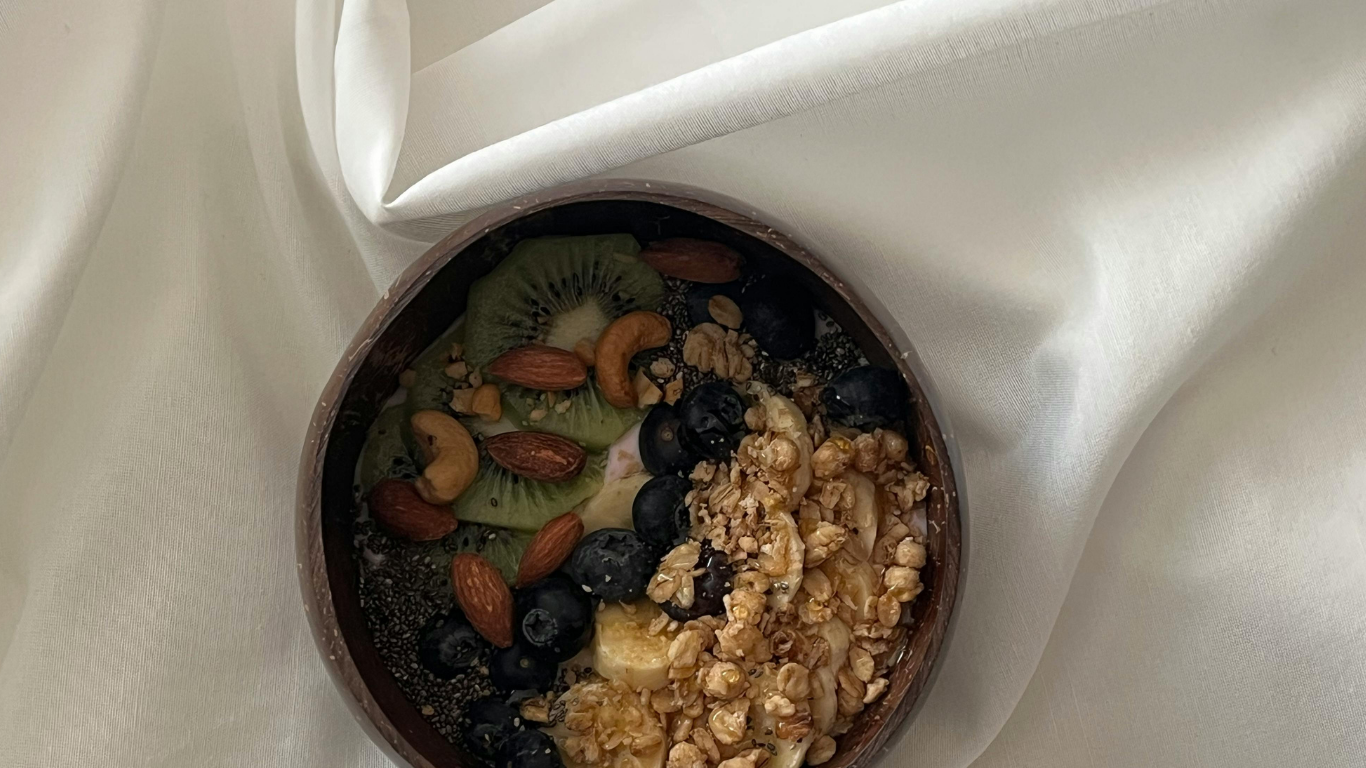
There were mornings when I would eat a bowl of oatmeal with fruit and nuts and still feel oddly depleted by noon, as if my body had not fully taken advantage of what I had fed it.
Blood tests at my annual visit sometimes showed that certain nutrient levels hovered at the lower end of normal, even though my diet was balanced.
My gut was absorbing nutrients less efficiently than before, like a sponge that had become partly worn and stiff.
I noticed my energy would dip more sharply in the late afternoon, and I occasionally felt light-headed if I went too long without a snack.
My digestion, while not dramatically problematic, felt more sensitive and less robust. I might feel mildly bloated after meals that once posed no issue, or find that a rich or very fibrous meal took longer to sit comfortably.
I often woke at 3:00 or 4:00 a.m., not sweating, not in pain, just quietly awake. My thoughts would begin to move—nothing dramatic, just small worries and unfinished to-do lists—and I would lie there, hovering on the edge of sleep but unable to fully cross back into it.
Some nights I would drift in and out of a light, unsatisfying sleep until my alarm finally rang. In the morning, I felt as though she had slept “enough” in terms of hours, but not deeply.
My mood had changed as well. I was not overtly depressed, and I could still enjoy my grandchildren, my garden, and coffee with friends.
But there was a subtle flatness I could not quite name. The bright, spontaneous laughter that used to come so easily felt a bit dulled.

Margaret’s story became a quiet, real-life illustration of this stage. The permanent drop in estrogen and progesterone had altered the landscape of her gut—reducing microbial diversity in her estrobolome, slowing her metabolism, and diminishing how efficiently she absorbed nutrients.
The less diverse microbiome produced fewer short-chain fatty acids, and that reduction echoed upward, touching her sleep, her mood, and her daily sense of stability.
Postmenopause is not a return to how things once were, but the setting of a new baseline that a woman is gradually learning to understand and live well within.
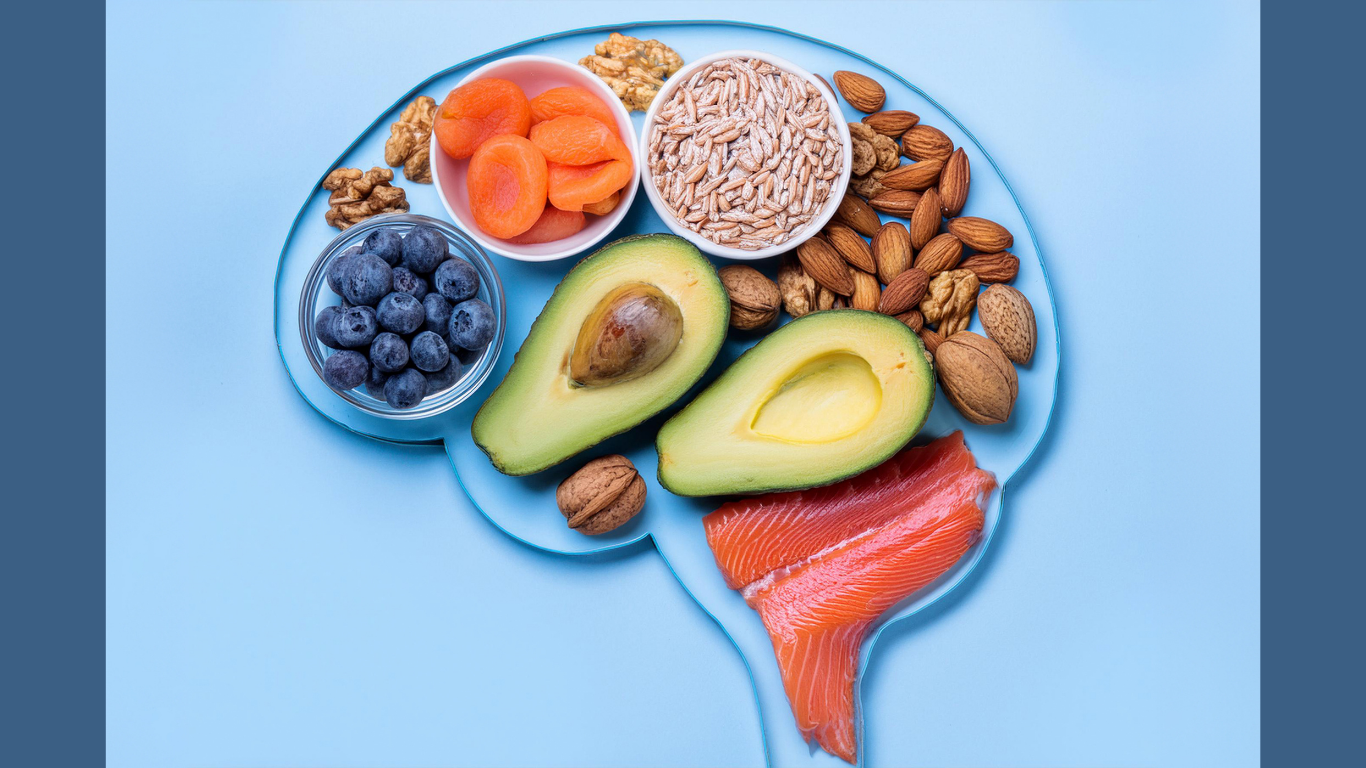
Across every stage of your life—from the monthly tides of your menstrual years, through the seismic shifts of pregnancy, into the wild, unpredictable currents of perimenopause, and the quieter but powerful recalibration of postmenopause—your gut and brain have been in constant, intimate conversation.
Your cravings, your energy, your sleep, your moods, your foggy days and clear ones have never been “just in your head” or “only in your stomach.”
They are the living language of your gut-brain axis, responding to each hormonal season you move through.
When you begin to honor that inner dialogue—to listen to your digestion as carefully as your thoughts, to care for your microbes as lovingly as your mind—you are no longer at war with your body.
You are partnering with it.
And in that partnership, at 28, 45, 58 and beyond, you claim a new kind of self-love: one that understands your whole being—body, mind, and spirit—as a wise, interconnected system doing its best for you, from the inside out.
Author’s Note:
True wellness is so much more than simply being free from illness. It begins within and radiates outward, embracing every part of who we are—body, mind, and spirit.
It is a gentle, daily practice of learning to love ourselves a little more each day.
Each of us carries a unique path toward inner balance and harmony. There is no single right way—only the way that feels true to you. Have you begun to discover yours?
This is Part 1. A Flower, For You: Women at 3 Stages of Life of the series “Inside Out: The New Self Love,” an invitation to explore, awaken, and honor the wholeness that has always been within you.