


Dear Kobe,
You are such a blessing, living your life to the fullest every single day.
You never stopped tossing your toy toward me, asking for just one more game of fetch, gently resting your paw on my leg when you wanted a little extra love, or running straight to me the moment you saw a banana in my hand.
You kept me moving from room to room, chasing you all over the house just to get my socks back. Yes, sometimes, slippers.
I am so deeply grateful for your energy, your health, and your playful spirit. There is nothing about you I could ever blame—only so much to love and appreciate.
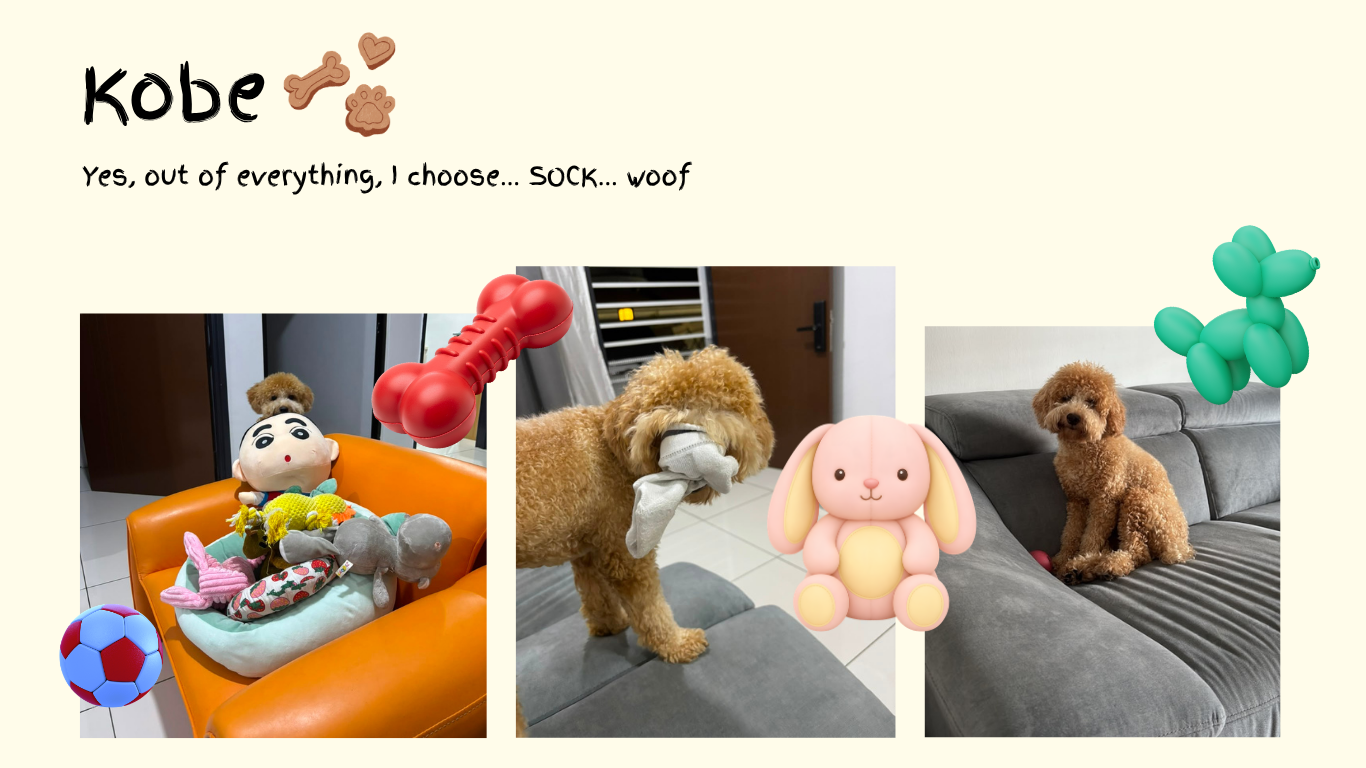
Kobe, sweetheart, Mama needs to have an important talk with you.
It can be really tough for Mama to watch your half brother and half sister constantly scratch, lick their paws, or rub their face. All these behaviors have been affecting their quality of life.
It looks like they might be dealing with something called atopic dermatitis.
I know this might sound a little scary or confusing, but we’ll get through this together as a family.
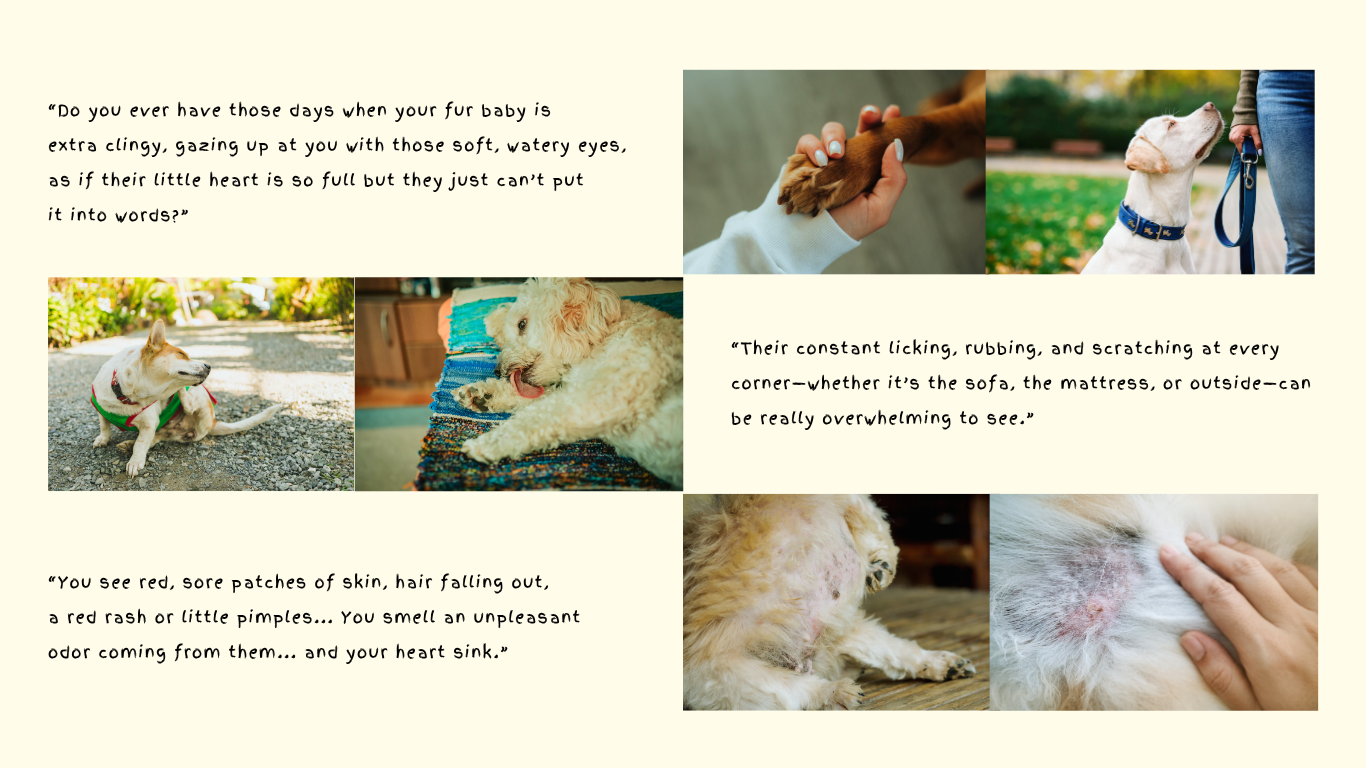
What is Atopic Dermatitis?
Atopy means “out of place,” so atopic conditions are the body's overreaction to something it should not react to.
Dermatitis comes from the Greek roots "derm" meaning skin and "itis" meaning inflammation.
Atopic dermatitis in dogs is a long‑lasting skin condition that causes ongoing itchiness and a very typical pattern of skin lesions.
Listen, Kobe, this often occurs in your half-brother and half-sister from these 10 families:
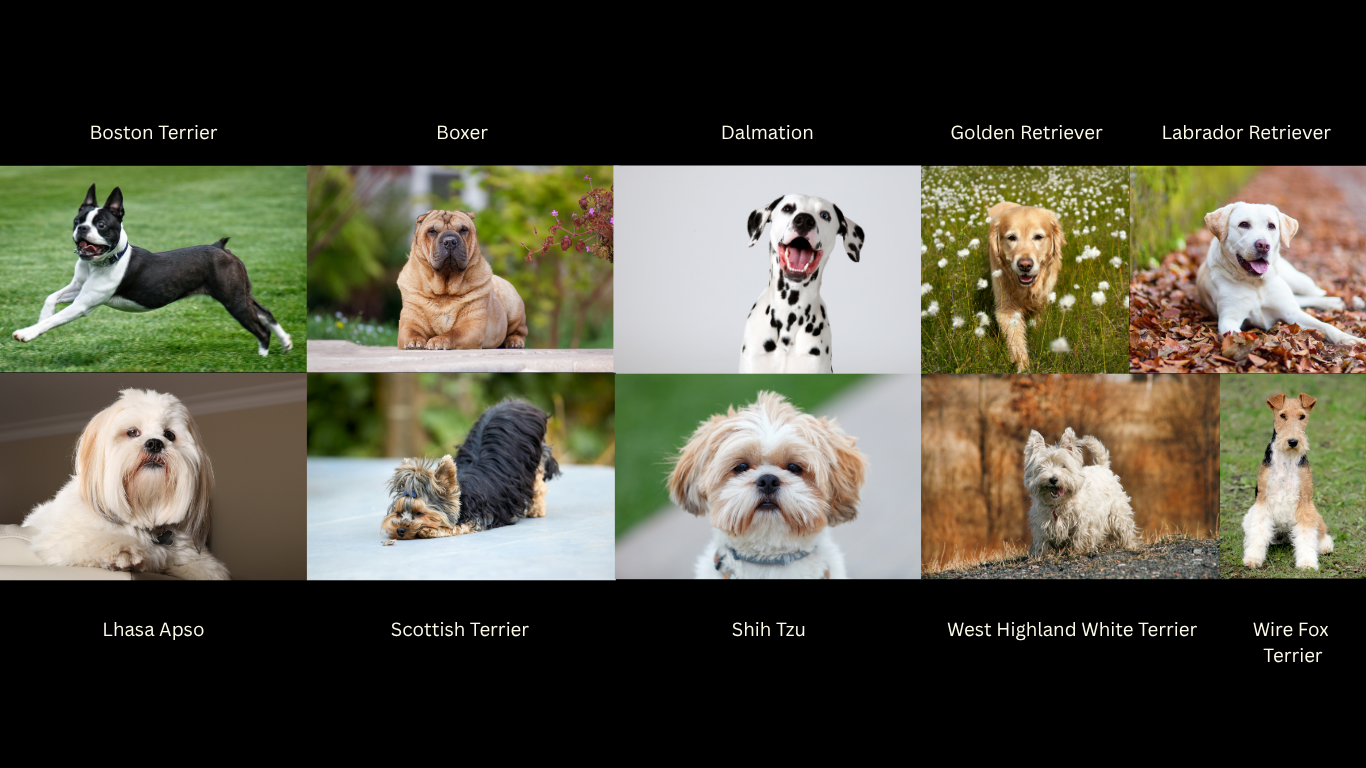
10 Dog Breeds Predisposed to Developing Atopic Dermatitis
You may be wondering why.
The development of atopic dermatitis in dogs is complex and involves several interconnected factors:
- a genetic predisposition,
- disruption of the skin’s normal barrier function,
- imbalance in the skin’s microbial population (dysbiosis), and
- abnormalities in the immune response.
Genetically predisposed dogs are more likely to become sensitized to environmental and/or food allergens.
These allergens are proteins which, when inhaled or absorbed through the skin, respiratory tract, or gastrointestinal tract, trigger the production of allergen-specific IgE antibodies.
These IgE molecules attach to mast cells and basophils in tissues. On subsequent exposure to the same allergen, these primed cells undergo degranulation, releasing substances such as proteolytic enzymes, histamine, bradykinin, and other vasoactive amines.
Degranulation is a cellular process in which certain specialized immune cells, such as mast cells, basophils, and eosinophils, release pre-stored chemical substances from internal granules into the surrounding environment.
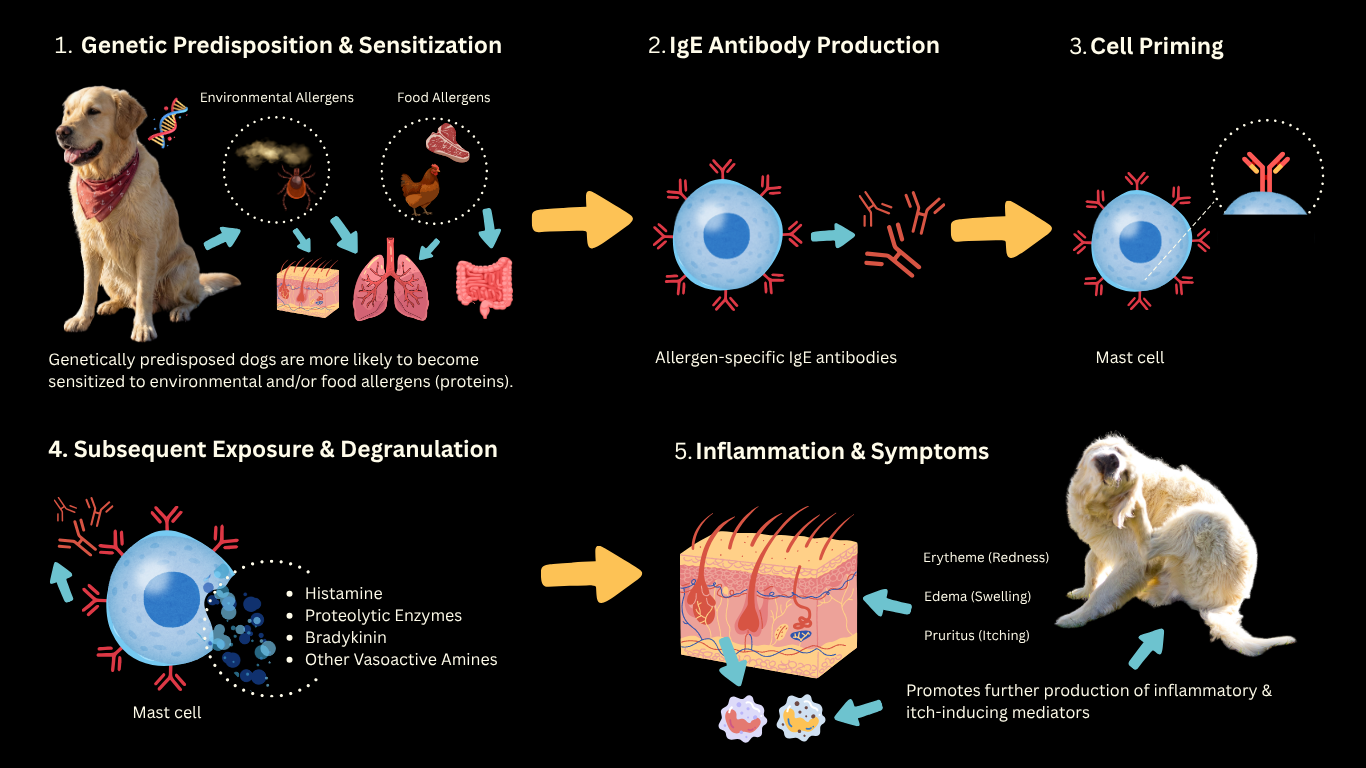
Etiology (Cause) and Pathogenesis (Mechanism) of Atopic Dermatitis in Dogs
This process leads to inflammation (i.e., erythema, edema, and pruritus), attracts more inflammatory cells, and promotes further production of inflammatory and itch-inducing mediators.
In dogs, the skin is the main organ affected by atopic dermatitis, but some animals may also show signs of rhinitis and gastrointestinal disturbances.
Kobe, Mama has another gentle question for you to think about: how do you think your body creates that itchy feeling when you’re having an allergic reaction?
How a dog’s body creates itch during an allergic reaction.
When a dog has atopic dermatitis, certain immune cells release a signaling protein known as Interleukin-31 (IL-31).
Interleukin-31 plays a key role in triggering the sensation of itch, functioning as the body’s primary “itch messenger.”
IL-31 acts as a chemical messenger that moves through the body to reach sensory nerve cells (neurons) in the skin, where it attaches to specialized docking sites on their surface known as receptors.
When IL-31 binds to its receptor on the nerve cell surface, it triggers activation of intracellular signaling proteins known as Janus Kinase (JAK) enzymes.
Janus Kinase (JAK) enzymes act like molecular switches inside the cell, initiating a cascade of signals that can lead to itch and other sensory responses.
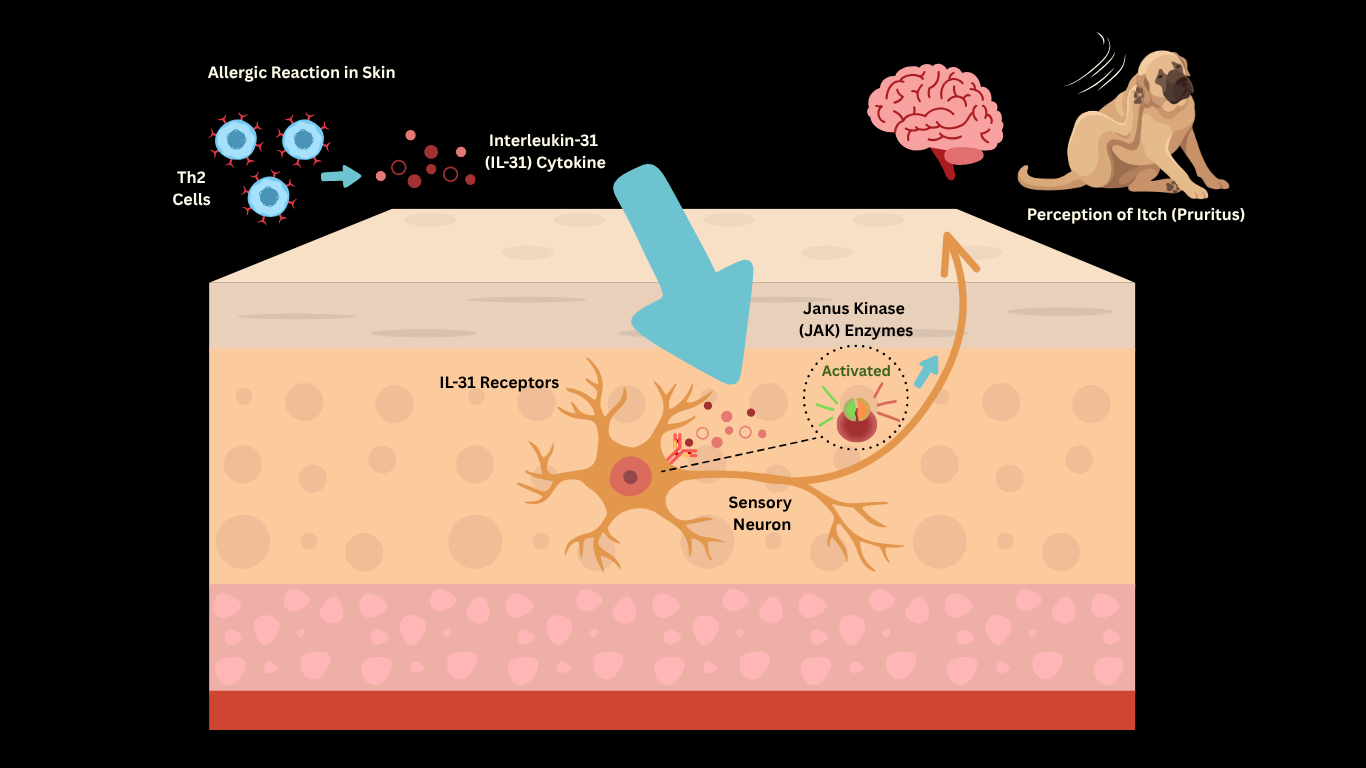
Neural Mechanisms of Dog Pruritus: The IL-31 Pathway
When JAK enzymes are activated, they trigger a signaling process that transmits nerve impulses to the brain.
The brain then interprets these signals as a strong, urgent sensation of itch, which the dog experiences as a powerful need to scratch.
Kobe, Mama knows you’re really into our story, and it’s been a lot of fun sharing it with you.
For now, it’s time to go play fetch and enjoy some playtime together. We’ll pick up the story again tomorrow and keep the adventure going.

Author’s Note:
Your Fur Baby is Our Fur Baby!
Atopic dermatitis is a chronic, itchy skin condition that can be very uncomfortable for dogs and concerning for the fur parents who love them.
It affects around one in ten dogs and is linked to an overactive immune response to everyday environmental and/or food allergens, which can feel frustratingly hard to control.
Researchers are finding that a multimodal management strategy, including probiotics, which targets multiple points along the disease pathway, can achieve more comprehensive control.
This is Part I: Dear Kobe, from the series titled Canine Atopic Dermatitis.
Read more: Part II | Part III | Part IV